Table Of Content
The bungalow was an especially affordable home to build, often costing $900 (about $25,000 in 2021 dollars) to construct. The craftsman aesthetic and sensibilities blend into later styles including 1930s Tudor revivals, highly stylized Art Deco and Streamline Moderne of the 1930s and 40s, and mid-century ranches. While Mission Revivals are the least craftsman-like houses, some of their characteristics seeped into later craftsman design. This can be seen in the use of Spanish tile roof shingles, stucco, and arches. While Craftsman-style houses such as the popular California Craftsman homes are bungalows, not every bungalow is a Craftsman-style home. Ornate Victorian Revival style was fashionable between the mid-1800s and the early 1900s.
Natural Wood Materials
The terms “Craftsman” and “bungalow” are often used interchangeably or even together. Craftsman refers to the Arts and Crafts movement that inspired the type of architectural or interior style. Bungalow refers to a house or building that originated in 18th-century India that use to house British colonial authorities.
Fairview Ridge, Plan #1423
The addition of a long, narrow front porch and a projecting gable emphasize the entry on this Craftsman-style home, giving it a standout appearance from the street. Olive green, cream, and an unexpected purple hue combine to make a charming, one-of-a-kind color palette. The bold scheme looks right at home with the renovated bungalow's front yard garden and landscaping. By the 20th century, the bungalow-style models were dotting Southern California and the midwest—beckoning buyers with craftsmanship and curb appeal. Craftsman style is synonymous with “cozy, homey and unpretentious,” says Susan Yeley, creative director and owner of Susan Yeley Homes in Bloomington, Indiana. Not every home will be a craftsman, but you’ll be sure to find any craftsman homes for sale in your desired location.
Types of craftsman-style houses
But one of the most evergreen and persisting style in American architecture is the Craftsman. Named for those who build houses, furniture, and goods by hand and with care, the Craftsman style was design to honor the makers rather than the machines of the Industrial Revolution. In the early 1900s, developer Herberg J. Hapgood built several Craftsman-style homes, many from stucco, that comprise the lakeside borough of Mountain Lakes, New Jersey. Residents were called "Lakers." The homes followed signature styles, including bungalows and chalets. Architect David Owen Dryden designed and built many Craftsman California bungalows in the North Park district, now a proposed Dryden Historic District. The 1905 Marston House of George Marston in Balboa Park was designed by local architects Irving Gill and William Hebbard.
Though ornamentation is a hallmark of Victorian architecture, kitchens were utilitarian, with less-elaborate millwork and furniture pieces instead of wall cabinets. In response to the art deco, Victorian, and manmade, ornamental architecture that took the main stage in the wake of America’s Industrial Revolution, the Craftsman style movement was born. Inspired in part by the British Arts and Crafts movement which was Inspired by England’s Industrial Revolution, the Craftsman movement emphasized the importance and quality of hand craftsmanship.
Earthy Craftsman Paint Colors
Craftsman-style houses emerged in the late 19th and early 20th centuries. Rooted in the Arts and Crafts movement from 1875 to 1920, Craftsman-style homes became an architectural response to the mechanization and mass production brought about by the Industrial Revolution. By valuing handiwork and individuality and integrating architecture with surrounding nature, Craftsman-style homes offer a distinct departure from ornate and extravagant designs. “When you go into a home that’s so perfect for the era, you don’t want to make it wrong,” says Merrill. In the basement alone, Merrill and her team sewed together 20 antique rugs from Lawrence of La Brea to break up the space.
As you research and explore different types of interior and exterior decor for your home, you’ve likely run across the term “Craftsman” in reference to design. Learn to recognize a craftsman style home, and ways to incorporate craftsman style into your home’s interior or exterior design. Read on to discover more about where the term craftsman home originated, what design elements make for a quintessential craftsman home, and how to make your craftsman style house shine. These houses redefined architecture and the American household for many families over the decades. Today, this style is still one of the most popular, and people crave its simplicity and modesty. While some people have turned toward more modern and open-concept home designs, the craftsman home remains a beloved style.
Craftsman homes have their roots in the British Arts and Crafts movement. Both the Arts and Crafts style and the craftsman style house were a response to the mass-produced housing of the industrial revolution and over-stylized housing of the Victorian era. Most craftsman homes were built between 1900 and 1940 in the United States. Craftsman-style houses are one of the most popular house styles in the U.S.
Just Listed: Doylestown Modern Craftsman House for Sale - Philadelphia magazine
Just Listed: Doylestown Modern Craftsman House for Sale.
Posted: Wed, 13 Mar 2024 07:00:00 GMT [source]
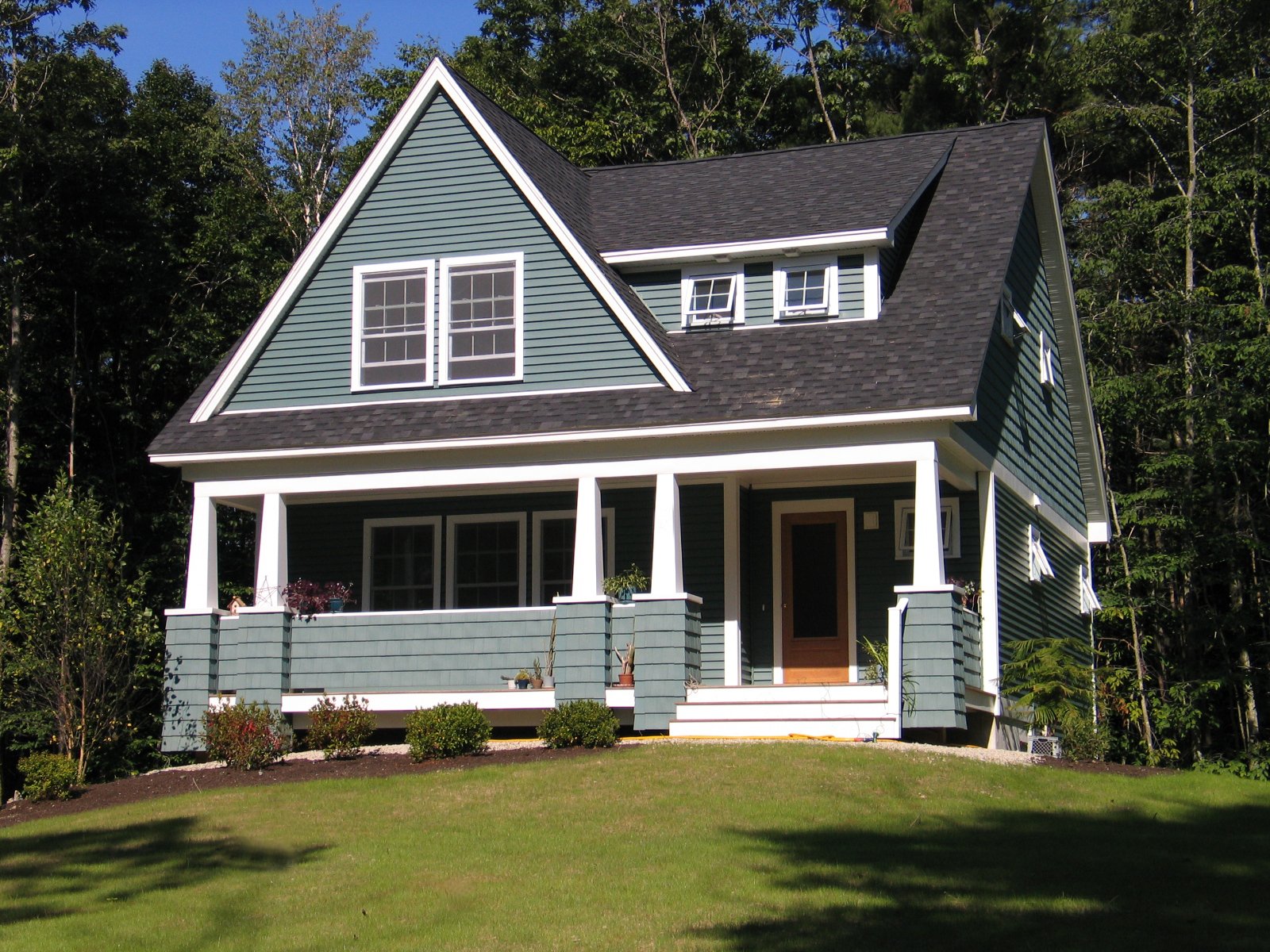
These homes are typically wide, short, and feature exteriors with exposed rafters, beams, and wood trim. Craftsman style houses include earthy color palettes, gabled roofs, and overhanging eaves, dormers, and covered porches. They also include artisanal decorations like exposed beams and iron and woodwork, fireplaces, and modest, cozy interiors.
A nod to the Craftsman style informs this home’s current updates through subtle accents and details. Everyone who appreciates a restful, neutral palette will love this craftsman-style home. Check out these Craftsman style house exterior design ideas and be swooned by the unique character Craftsman offers. Knee Braces are a common Craftsman feature, but you might be wondering what they are. Knee Braces take on both form and function when it comes to architecture as they are diagonal supports between two right-angle planes to strengthen their support.
It was also short on cabinets and, due to a defunct chimney that ran beside it, had a super skinny pantry. Though huge at 385 square feet, the kitchen had too many doors, and the existing appliances were poorly placed, which squandered space. If you’re curious about what a Tudor-style home entails, we have a go-to guide covering everything you need to know about this elegant and classic house. Extended overhangs and a steep front gable make a stunning entrance for this home that has Craftsman, English Tudor, and farmhouse elements. Whichever approach you want, Craftsman style homes have stood the test of time for their distinct good character and looks.
It reveals itself a little more with each step through the courtyard and beyond the metal sculpture in front. The trellis treatment above the entrance offers shade that makes up for the lack of a front porch. Emily Estep is a plant biologist and journalist who has worked for a variety of online news and media outlets, writing about and editing topics including environmental science and houseplants. To retain the proportions of the original house, the homeowners chose to work within the existing kitchen’s 152 square feet.